Melbourne Property Market 2026: A Slower, More Selective Recovery
Melbourne's property market in 2026 looks very different from Sydney's. Slower headline growth but real opportunity in the middle ring, and meaningful regional value in the corridor cities. Here's what's actually happening.

6 May 2026 8 min read
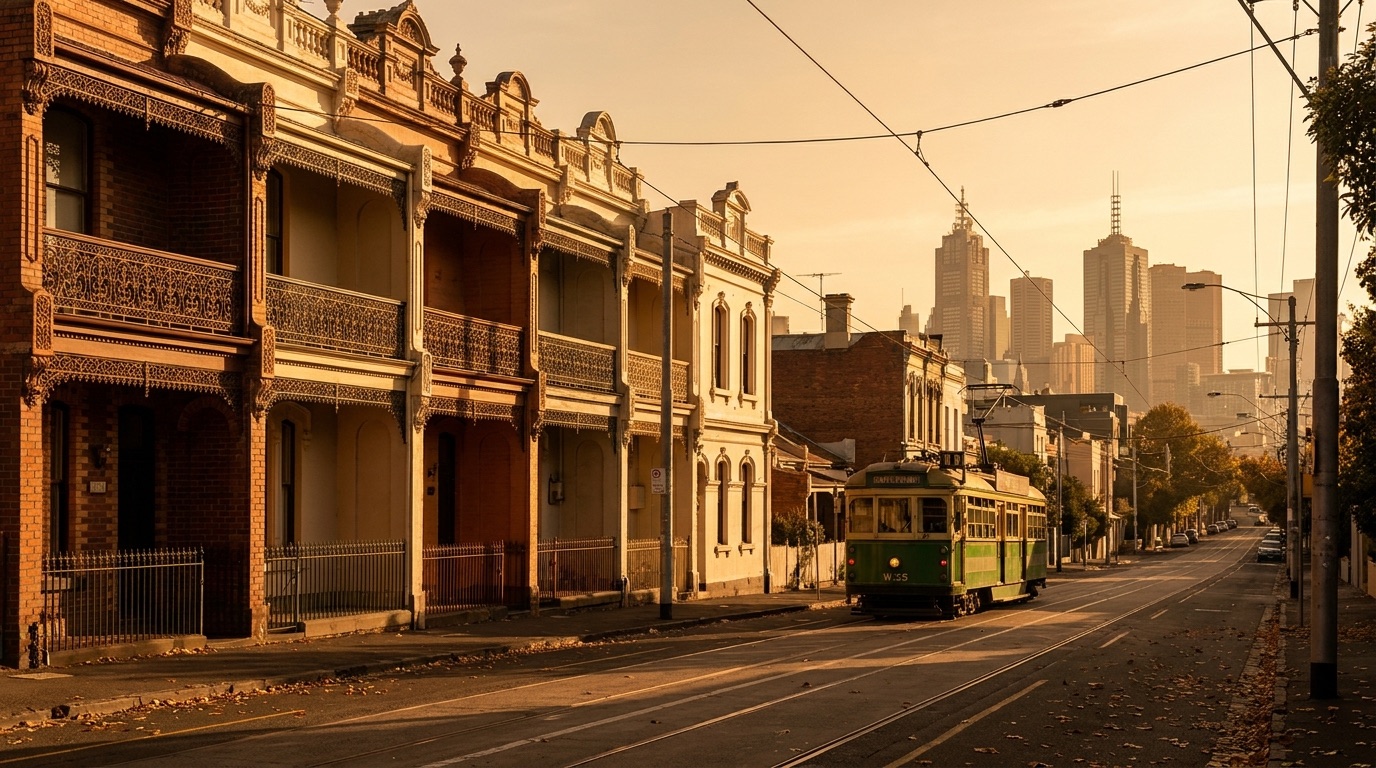
Melbourne entered 2026 in a different place than Sydney. After a softer 2024 and a tepid 2025, the market is finding its feet but the recovery is uneven. Some segments are performing strongly, others are still working through oversupply, and regional Victoria is offering real value for buyers willing to look beyond metro. Here's a clear read on Melbourne and Victoria as 2026 unfolds.
Where the median sits
Greater Melbourne's median house price sits around $1.05M in mid-2026, up a modest 2.3% year-on-year, with units largely flat at $620K. The headline numbers undersell what's actually happening at suburb level, performance varies sharply between inner, middle and outer rings. Days on market metro-wide average 38 to 45, with auction clearance hovering in the low 60s. Compared to Sydney, Melbourne is the more buyer-friendly capital in 2026.
Where Melbourne is firming
The middle ring (10 to 20km from CBD) is doing the heavy lifting. Brunswick, Coburg, Northcote and Preston in the north, Footscray and Yarraville in the west, and Glen Iris, Hughesdale and Murrumbeena in the southeast are all seeing median growth above the metro average, supported by good schools, public transport, and active café and retail strips. Inner Melbourne is split, apartments in the CBD and Docklands remain soft, but townhouses and small-block houses in Carlton, Fitzroy and Richmond are at or near 2022 peaks.
Where the slow recovery still lingers
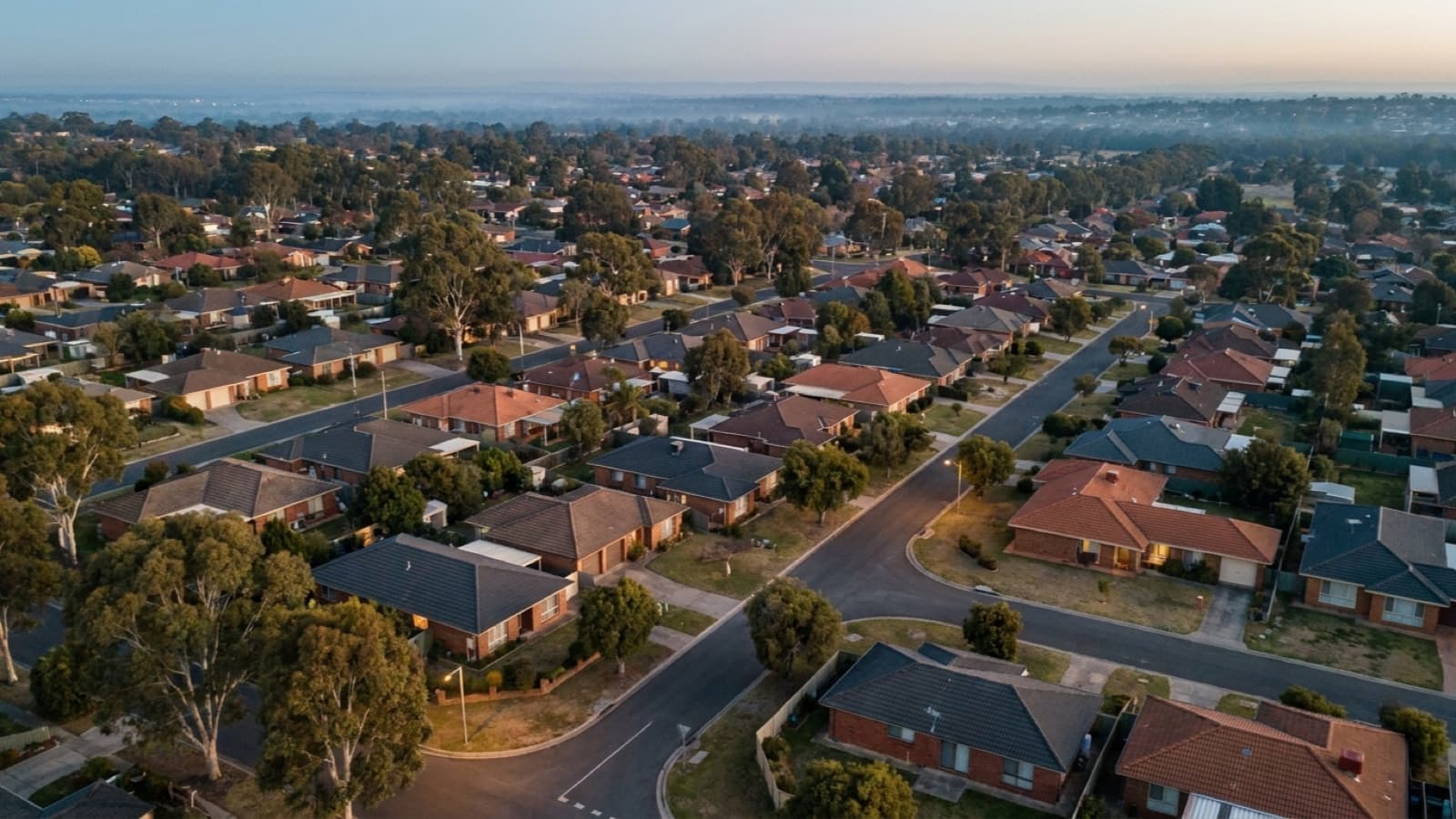
Melbourne's outer growth corridors still have absorption work to do. Lots of new stock through Werribee, Tarneit, Cranbourne East and Mernda has kept prices restrained even as rental demand has pushed up sharply. For investors, this is a yield play more than a growth play through 2026. Apartment-heavy suburbs near the CBD (Southbank, Docklands) continue to underperform, with median apartment prices still below 2022 peaks.
Regional Victoria is where the value sits
Geelong, Ballarat and Bendigo all offer house medians in the $600K to $850K range with strong rental yields and lifestyle appeal that Melbourne metro can't match. Geelong has steadied after a wild 2021–22 ride, with the median around $730K. Ballarat at around $620K and Bendigo at around $590K continue to attract Melbourne buyers chasing affordability and lifestyle. The Surf Coast (Torquay, Anglesea, Lorne) commands premium pricing but remains popular with retirees and remote workers.
What to watch through the year
- Stamp duty is biting harder in Victoria than other states. Watch for any 2026 reform announcements which could move buyer behaviour
- Rental vacancy in greater Melbourne sits at 1.7%, supporting yield-driven investor activity in middle and outer suburbs
- The Victorian Homebuyer Fund continues to widen first home buyer access in the $600K to $750K range
- Apartment supply pipeline is finally moderating, which should support inner-city unit prices through late 2026
- Regional centres benefit from continued remote-work uptake and infrastructure spending
Melbourne in 2026 is a market for selective buyers. The headline growth is modest, but the right suburb in the middle ring or a well-chosen regional town can outperform meaningfully. For sellers, getting the price guide right at listing has never been more important, Melbourne buyers are sceptical of inflated quotes and willing to wait.
Take the full guide with you.
The complete guide to selling property in Australia: what it really costs, how agents price your home, the 10 questions that catch bad agents out, and a 12-week plan to settlement. Free PDF, personalised to your suburb, in your inbox in 60 seconds.
Read next