Rentvesting in Australia 2026: The State-by-State Strategy Guide
Rentvesting (renting where you live, investing where the numbers work) is one of the most underused strategies in Australian property. Here's how it works, who it suits, and the best target markets in each state in 2026.

6 May 2026 12 min read

Rentvesting is a strategy where you rent in the suburb you want to live in (often inner-city, near work, near family) while investing in property elsewhere where the numbers work better, typically more affordable suburbs with stronger yields and growth fundamentals. It's particularly powerful for younger buyers priced out of their preferred owner-occupier suburb, but valuable across many life stages.
In 2026, with capital city affordability stretched and yields strong in regional and outer-metro markets, rentvesting deserves serious consideration. This guide covers how it works, who it suits, the tax implications, and the best rentvesting target markets in each state.
How rentvesting works
The mechanics are straightforward. Instead of buying the home you live in, you rent that home and use your borrowing capacity to buy investment property somewhere more affordable. The investment property generates rental income (which offsets the holding costs) and you continue building wealth through capital growth and tax-effective debt. You also retain flexibility, your job, family, lifestyle can all change without the friction of selling and re-buying your principal residence.
The financial case
The financial case for rentvesting hinges on a few key principles:
- Rent is often cheaper than the equivalent mortgage in inner-city or premium suburbs. A $1.5M Sydney inner-west house might rent for $900 to $1,100/week, far less than the mortgage on $1.2M of debt
- Investment debt is tax-deductible. Interest, depreciation, and operating costs are all deductible against rental income (and can offset other income via negative gearing if applicable)
- You can buy in higher-yield markets. A $600K outer-Brisbane investment property generating $560/week rent (4.8% gross yield) may produce stronger long-term returns than a $1.5M owner-occupier purchase in inner Melbourne
- You retain flexibility. Career changes, relationship changes, lifestyle changes don't require selling your home
The trade-offs
Rentvesting isn't free of trade-offs:
- You're paying someone else's mortgage on the home you live in. Many people psychologically prefer the security of owning
- You don't get the FHOG or stamp duty concession. First home buyer benefits don't apply to investment properties
- You don't get the principal place of residence CGT exemption. Investment properties are subject to CGT on sale
- Rent volatility. Tenancy law differs by state; some give you less control over your living situation
- Negative gearing requires cash flow. If the investment property runs at a loss, you need other income to cover it
Who rentvesting suits
Rentvesting works best for:
- Singles or couples who want to live in expensive suburbs (inner-city, harbourside, premium school catchment) but are priced out of buying there
- People with mobile careers who don't want the friction of selling/re-buying with each move
- Property investors building a portfolio who want to maintain flexibility
- Buyers comfortable with the tax and accounting complexity (or willing to pay for advice)
State-by-state rentvesting target markets in 2026
NSW: Outer southwest Sydney + Newcastle
Live in: Inner-west, eastern suburbs, lower north shore. Invest in: Liverpool, Campbelltown corridor; Newcastle and Hunter. Both offer house medians under $750K with 3.5 to 4.5% yields and strong infrastructure tailwinds.
VIC: Outer Melbourne + regional Victoria
Live in: Inner Melbourne (Carlton, Fitzroy, Northcote, St Kilda). Invest in: Werribee, Tarneit, Cranbourne corridors; Geelong, Ballarat, Bendigo. Outer growth corridors offer accessible entry; regional cities offer stronger yields.
QLD: Brisbane corridor + Townsville
Live in: Inner Brisbane, Sunshine Coast, Gold Coast premium. Invest in: Logan, Ipswich, Caboolture corridors; Toowoomba; Townsville. All offer sub-$600K entry with 4.5 to 5.5% yields.
WA: Outer Perth + Bunbury/Geraldton
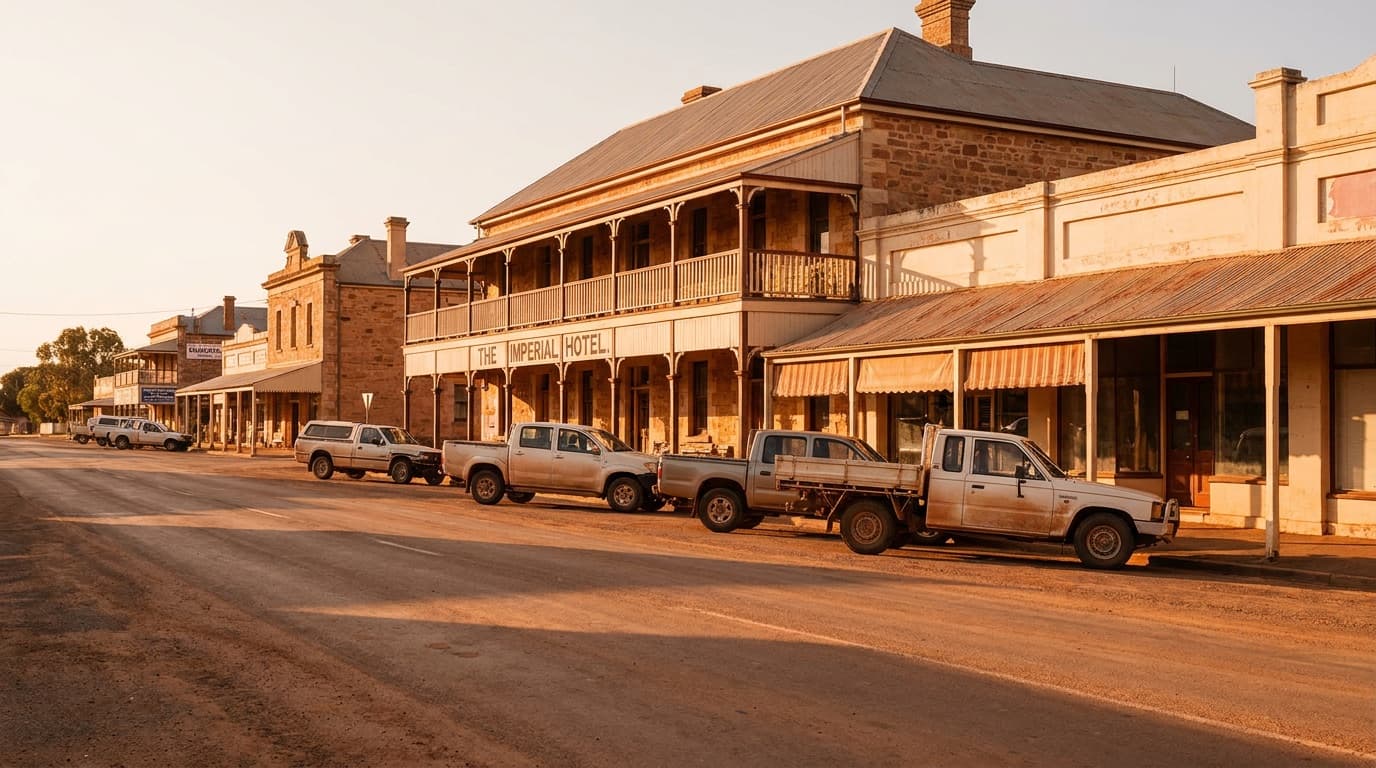
Live in: Inner Perth, western suburbs, coastal premium. Invest in: Outer Perth (Mandurah, Armadale, Rockingham); regional Bunbury, Geraldton, Kalgoorlie. WA's combination of yield strength and growth still in play offers compelling rentvesting math.
SA: Adelaide outer + Mount Gambier
Live in: Inner-eastern Adelaide, beachside. Invest in: Salisbury, Davoren Park, Christies Beach corridors; Mount Gambier. SA's stable yields and lower entry prices make it a low-risk rentvesting target.
TAS: Hobart + north-west coast
Live in: Inner Hobart (Sandy Bay, Battery Point). Invest in: Burnie, Devonport, Launceston. Tasmania offers affordability rare among Australian markets.
ACT: Outer Canberra + cross-border NSW
Live in: Inner south, inner north Canberra. Invest in: Outer Canberra (Gungahlin, Whitlam, Tuggeranong); Queanbeyan and surrounding NSW for cheaper entry. ACT yields are weaker, so cross-border NSW often looks more attractive.
NT: Darwin + Alice Springs
Live in: Inner Darwin (Nightcliff, Fannie Bay). Invest in: Palmerston suburbs; Alice Springs. NT's strong yields support cash-flow-positive rentvesting if you can stomach the volatility.
Practical first steps
- Run the numbers comparing rent + invest vs. buy. Use realistic 2026 rates and prices for both
- Engage a mortgage broker who's worked with rentvesters. Investment loan structuring matters
- Engage an accountant. The tax implications need to be understood upfront, not after the fact
- Pick the investment market carefully. Strong fundamentals and good local advice matter
- Don't over-extend. Investment property still needs cash flow margin to weather rate moves
Rentvesting in 2026 is one of Australia's most underused property strategies. For the right buyer in the right circumstances, it offers a genuine third path between renting and buying your own home, and one that often produces better long-run wealth outcomes than either alone.
Take the full guide with you.
The complete guide to selling property in Australia: what it really costs, how agents price your home, the 10 questions that catch bad agents out, and a 12-week plan to settlement. Free PDF, personalised to your suburb, in your inbox in 60 seconds.
Read next