Hobart and Tasmania Property Market 2026: Steady After the Boom
Tasmania had a wild ride from 2018 to 2022, then took a breather. In 2026, the market is steady and the fundamentals are still in place. Here's the honest read on Hobart, Launceston and the regional centres.

By Bec Ramirez
6 May 2026 7 min read
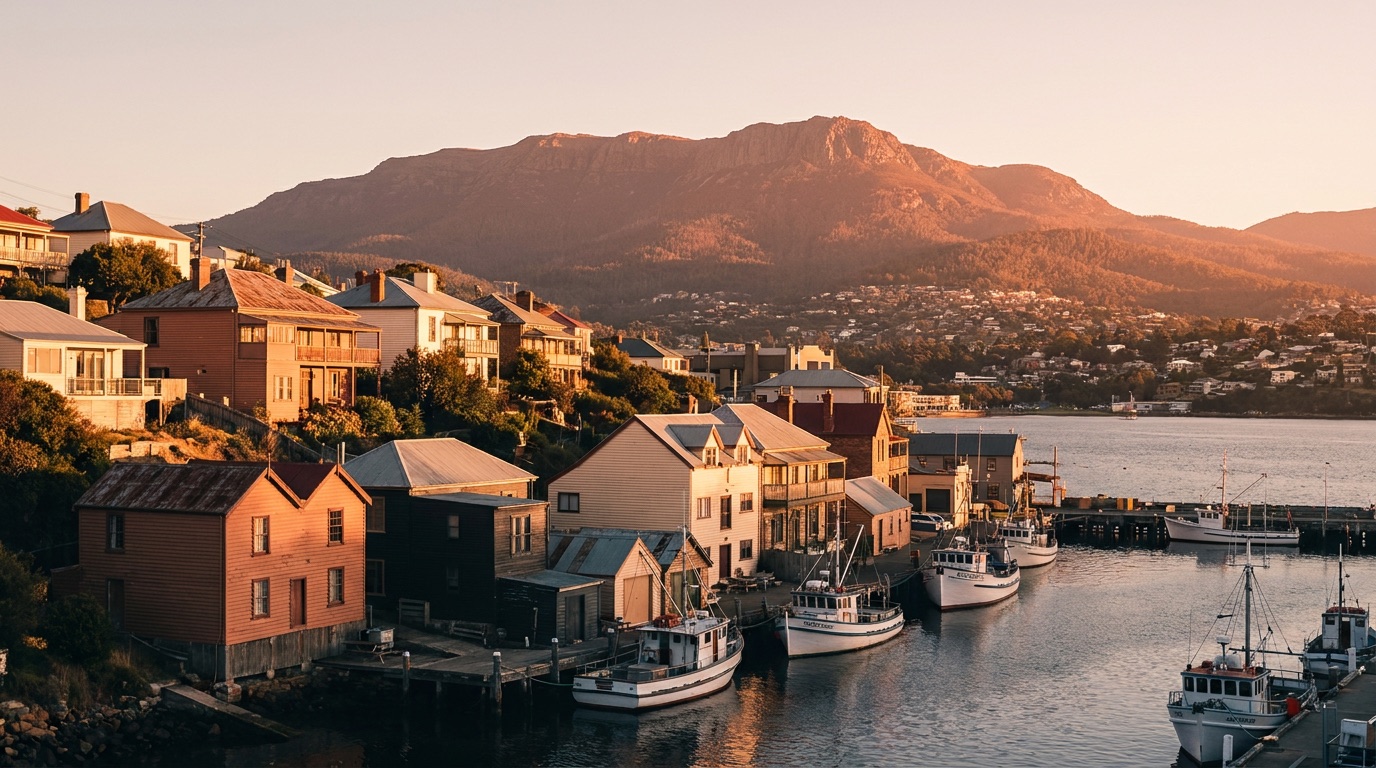
Tasmania's property market had one of Australia's most dramatic five-year runs from 2018 to 2022, with median prices in Hobart roughly doubling. The 2023 to 2025 period was a flat-to-down breather as the market digested those gains. In 2026, the market is steady, modest positive growth, healthy rental demand, and no signs of the kind of correction some commentators were predicting in 2023.
Where the median sits
Hobart's median house price has reached around $730K in mid-2026, up around 3.2% year-on-year. Units sit at $530K. Days on market average 32 to 40, indicating a balanced market. Tasmania remains the most affordable mainland-equivalent state for owner-occupiers, while still offering meaningful capital growth potential.
Hobart's strongest pockets
Inner Hobart (Battery Point, Sandy Bay, North Hobart) remains the premium end and continues to firm with demand from interstate retirees and remote-working professionals. Glenorchy, Clarence and Kingborough offer accessible price points with good infrastructure. Hobart's coastal strip through Sandy Bay and Lower Sandy Bay attracts sea-change buyers from the mainland.
Launceston and the north
Launceston has emerged as one of Tasmania's strongest growth markets in 2025–26 as Hobart price levels pushed buyers north. The median house price sits around $560K, up 6 to 8% year-on-year. Suburbs like Newstead, Trevallyn and Kings Meadows continue to attract investors and owner-occupiers. The University of Tasmania's expanding Inveresk campus continues to drive student-rental demand.
The regional value plays
Tasmania's north-west coast (Burnie, Devonport, Ulverstone) remains among the most affordable property markets in Australia. House medians in the $400K to $480K range with rental yields of 5 to 6% gross continue to attract interstate investors. Smaller centres like Wynyard and Latrobe offer lifestyle appeal at sub-$450K medians. The east coast through Triabunna and Bicheno commands premium pricing for waterfront positions.
The rental story
Tasmania's rental market remains tight. Hobart vacancy at 1.4% in Q1 2026, with weekly rents up 5 to 7%. The state's strong rental yields and lower entry prices continue to attract interstate investors, particularly from NSW and Victoria.
What to watch through 2026
- Hobart's $30,000 FHOG (one of Australia's most generous) continues to support first home buyer activity in new builds
- The 50% stamp duty concession on established homes up to $600,000 keeps the established market accessible
- Tasmanian short-stay regulation reform continues to evolve; investors with Airbnb portfolios should track changes
- Continued interstate migration, particularly from Victoria, is expected to support price growth
- Federal First Home Guarantee uniform $600,000 cap supports broad eligibility across Tasmania
Tasmania in 2026 isn't the high-growth headline story it was five years ago, but it remains one of Australia's best-balanced markets. Lower entry prices, strong rental demand, and the lifestyle appeal that drove the 2018–22 boom haven't gone away. For owner-occupiers and patient investors with a 5 to 10 year horizon, the case is still compelling.
Take the full guide with you.
The complete guide to selling property in Australia: what it really costs, how agents price your home, the 10 questions that catch bad agents out, and a 12-week plan to settlement. Free PDF, personalised to your suburb, in your inbox in 60 seconds.
Read next