Adelaide Property Market 2026: The Quiet Achiever Keeps Quietly Achieving
Adelaide rarely makes headlines but has quietly outperformed for years. In 2026, that trend continues. Here's where prices are, where the value plays sit, and what the rest of the year holds.

6 May 2026 7 min read
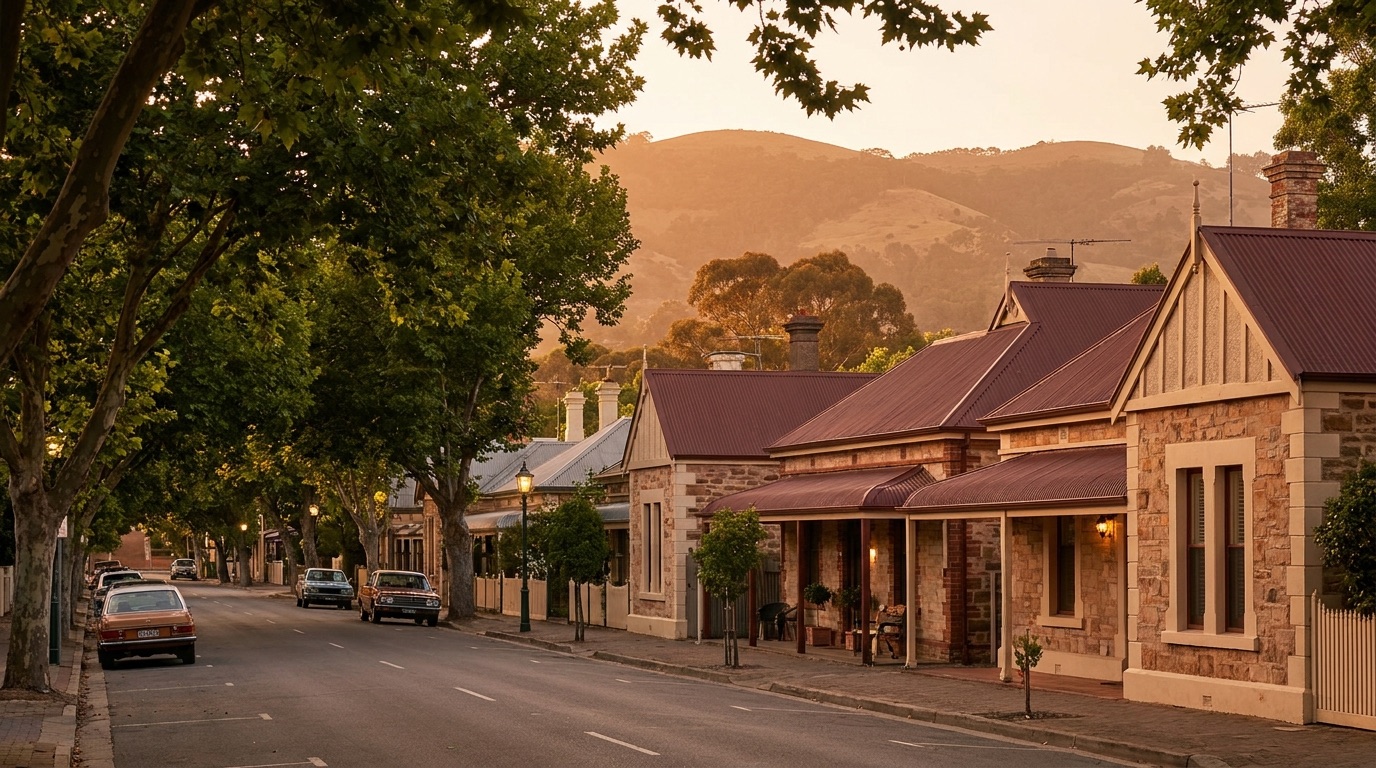
Adelaide has been Australia's quiet achiever in property terms. Without the boom-bust drama of Perth or the headline-grabbing volatility of Sydney, Adelaide has compounded steady gains through five consecutive strong years. In 2026, the market remains tightly held, with rental vacancy under 1% and price growth still positive. The story is less dramatic than Brisbane's or Perth's, but the fundamentals are arguably the strongest in the country for medium-term holders.
Where the median sits
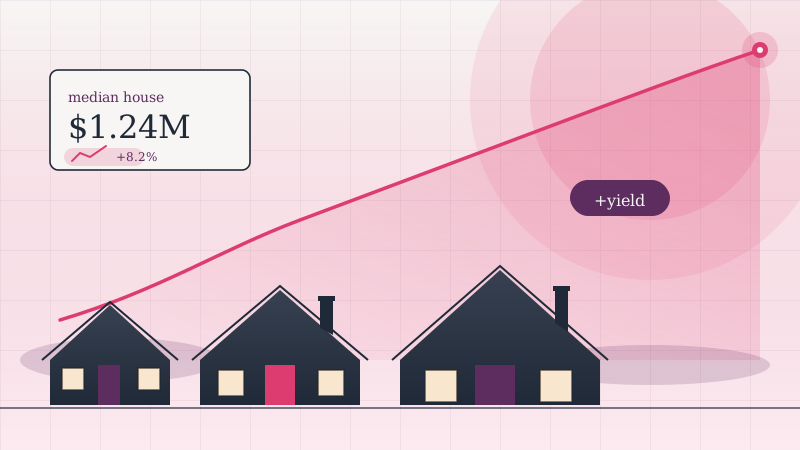
Adelaide's median house price has reached around $760K in mid-2026, up around 5.8% year-on-year. Units sit at around $440K. Days on market average 22 to 30, comparable to Brisbane and tighter than Melbourne. The market is well-balanced, with stock levels gradually improving but demand absorbing it.
Where Adelaide is firming most
Inner-eastern suburbs (Burnside, Norwood, Toorak Gardens, Marryatville) lead the growth, supported by school catchment demand and tightly-held character housing. Coastal suburbs through Henley Beach, Glenelg and Brighton are seeing strong upgrader demand. The northern foothills (Gilberton, Walkerville, Stepney) continue to attract buyers from the eastern suburbs as price differentials narrow.
Where the value sits
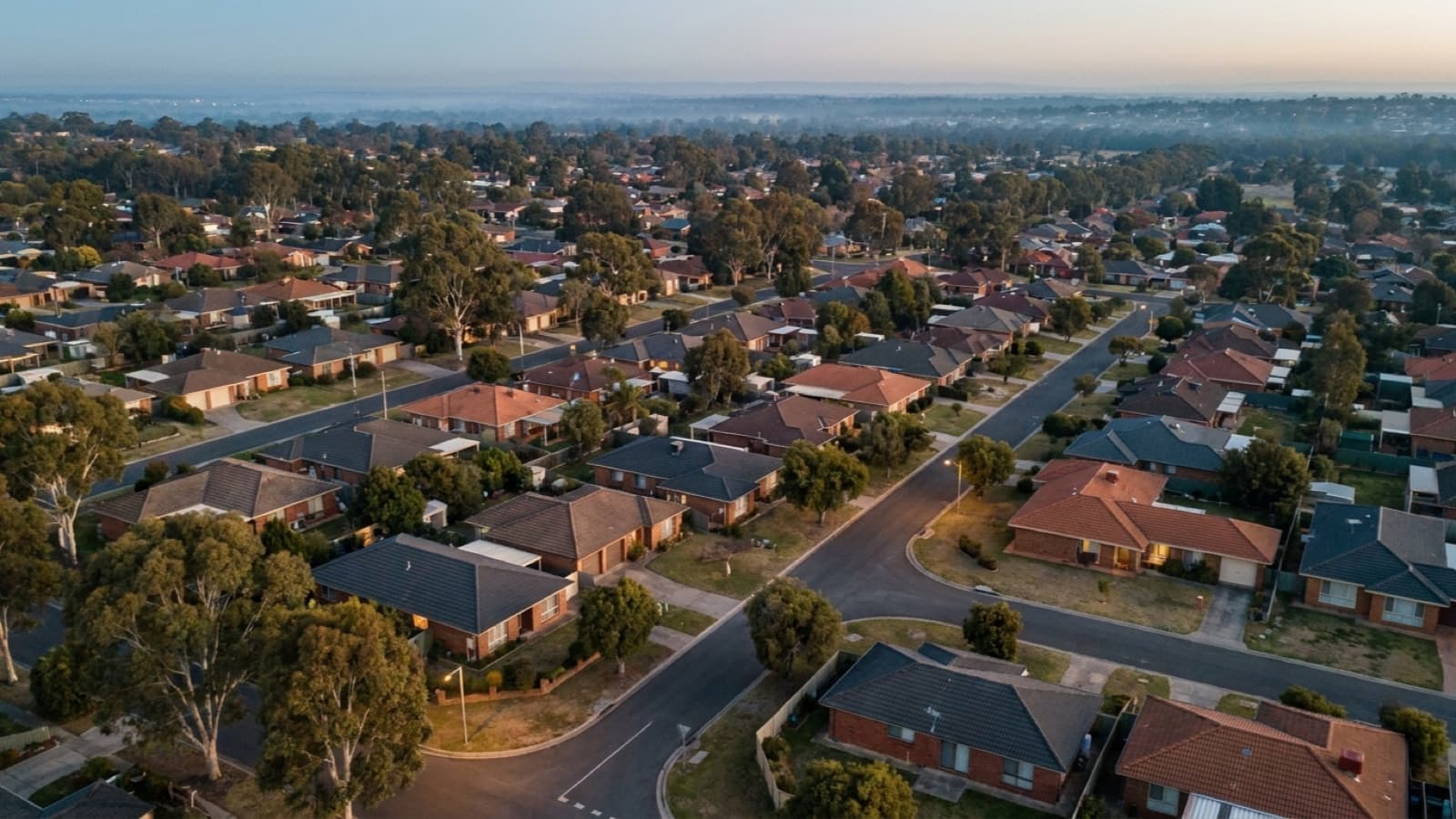
Adelaide's outer suburbs still offer remarkable affordability. Salisbury, Elizabeth and Davoren Park in the north, and Christies Beach, Noarlunga and Aldinga in the south, all offer house medians in the $450K to $620K range. These are accessible for first home buyers and offer compelling rental yields, particularly in the Salisbury corridor where yields of 5 to 6% gross are still common.
The rental angle
Adelaide's rental market has been exceptionally tight for years. Vacancy at 0.9% in Q1 2026, with weekly rents up 7 to 9% year-on-year. Yields in outer suburbs remain compelling, particularly compared to Sydney and Melbourne where yields have compressed sharply over the past decade. Adelaide is increasingly attracting interstate investor attention as a cash-flow play.
Regional South Australia
Regional SA continues to perform, with the Barossa Valley, McLaren Vale and Adelaide Hills all attracting lifestyle buyers and remote workers. Mount Barker and Murray Bridge offer the most affordable regional options within commuting distance of Adelaide, both with house medians under $550K.
What to expect through 2026
- Continued steady growth, 4 to 7% annually, with low volatility
- Rental tightness will persist; vacancy below 1.5% likely through year-end
- Interstate investor inflow expected to continue, particularly into outer-northern and southern suburbs
- The HomeSeeker SA shared-equity scheme and SA's $15K FHOG continue to support first home buyer activity
- Off-the-plan apartment concession is still attracting CBD-fringe development activity
Adelaide in 2026 isn't a market for thrill-seekers. It's a market for buyers who value steady compounding, strong yields, and low volatility. Five-year holders in Adelaide's middle and inner suburbs have done very well; those buying in 2026 with a similar horizon should expect more of the same.
Take the full guide with you.
The complete guide to selling property in Australia: what it really costs, how agents price your home, the 10 questions that catch bad agents out, and a 12-week plan to settlement. Free PDF, personalised to your suburb, in your inbox in 60 seconds.
Read next