Auction clearance rates slump to 47%, the weakest result since 2020
Just 47.4% of homes taken to auction nationally last week sold, the softest preliminary clearance rate since April 2020, as three rate hikes this year cool buyer demand.

By Bec Ramirez
23 June 2026 7 min read
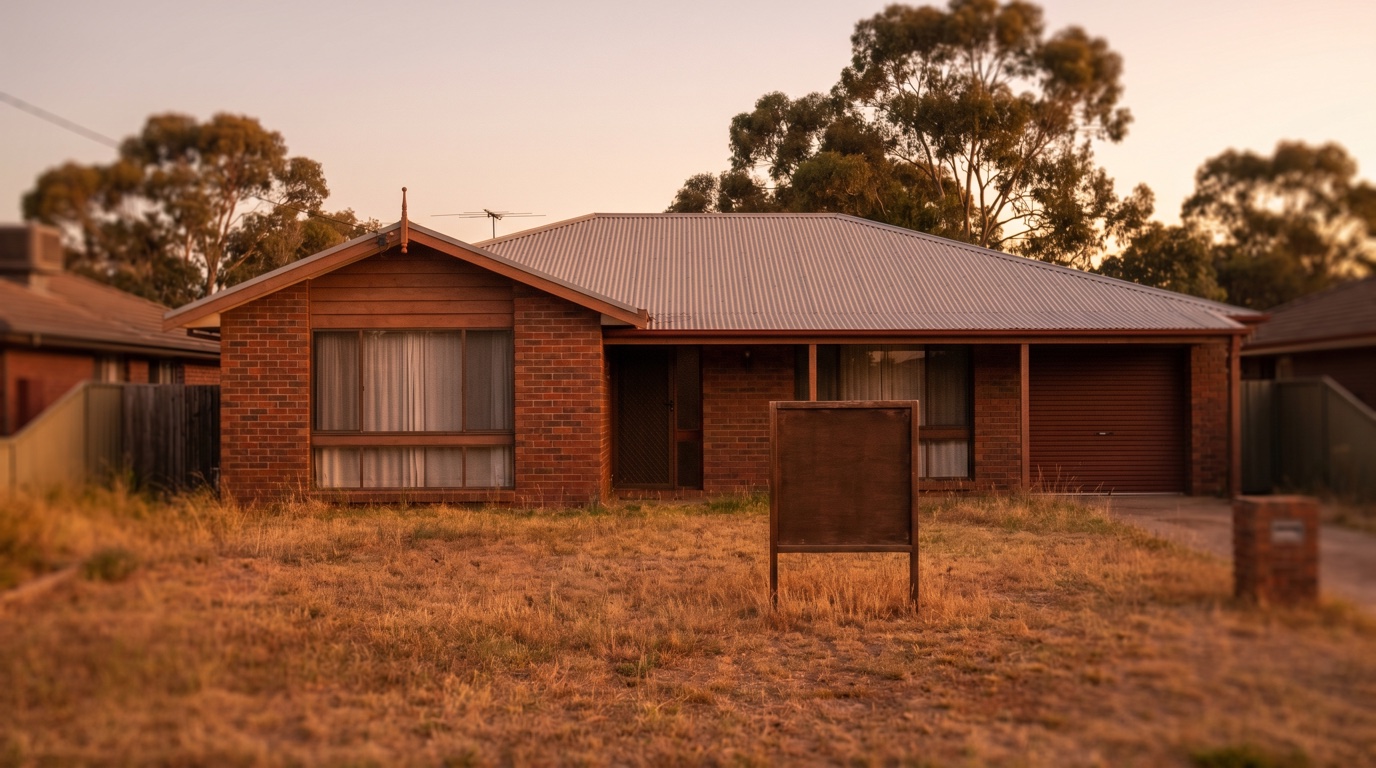
Australia's auction market has hit its softest patch in years. According to property data group Cotality (formerly CoreLogic), only 47.4% of the roughly 1,900 homes taken to auction nationally last week sold under the hammer. That is the weakest national preliminary clearance rate since April 2020, the early weeks of the pandemic, when the market briefly froze.
For anyone buying or selling right now, this is a meaningful shift in the temperature of the market. A clearance rate sitting below half means more homes are passing in than selling on the day, and that changes the balance of power at the auction. Below we look at what the numbers show, why demand has cooled, and what it practically means whether you are bidding or listing.
What the latest figures show
The national result was dragged down by softer outcomes in the two biggest auction markets. Melbourne returned a preliminary clearance rate of around 51%, while Sydney came in lower at around 47%. Both cities normally do the heavy lifting on national auction volumes, so when they soften, the national figure follows.
There was one rare bright spot. The ACT was an improver, lifting 1.4 percentage points to 47.1%. It is a small gain, but it stood out in a week where most markets went the other way.
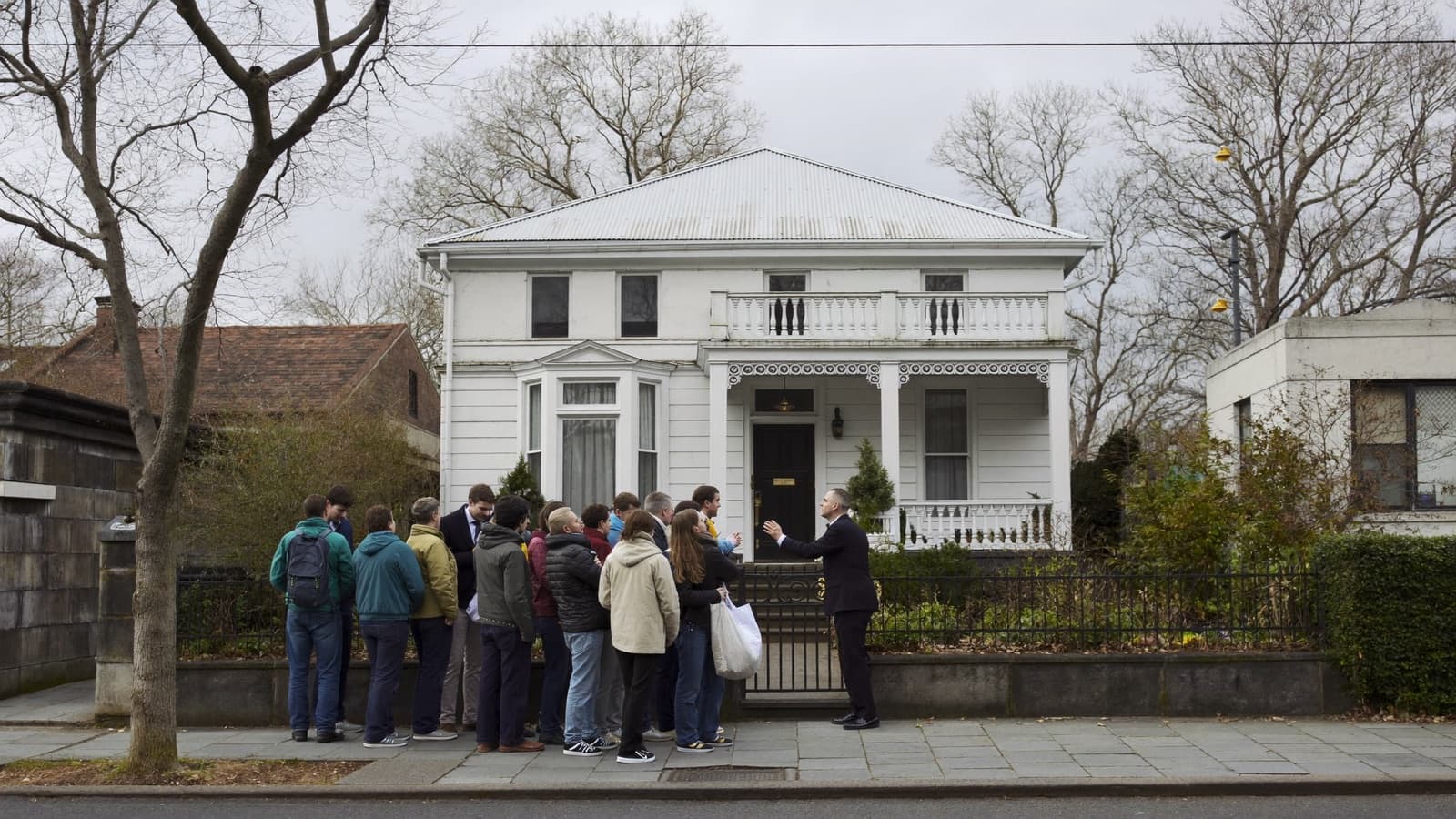
Volumes are also easing. About 1,800 auctions were scheduled this week, with the count expected to drop below 1,500 the following week. Fewer auctions on the calendar can be a sign that some vendors are choosing to wait, or to test the market through private treaty instead. If you want to understand how the auction process itself works before you step into it, our property auction guide walks through the mechanics from registration to the fall of the hammer.
Why demand has cooled
The simplest explanation sits with interest rates. This year has brought three increases from the Reserve Bank, taking the cash rate to 4.35%. Each rise lifts the cost of a mortgage and trims how much a buyer can borrow, which directly reduces the pool of people able to bid competitively.
When borrowing capacity shrinks, the heat comes out of the room. Fewer registered bidders, more cautious bidding, and more properties passing in are all natural consequences. If you want to see how the current cash rate filters through to your own numbers, our borrowing power calculator gives you an estimate, and our RBA cash rate page keeps track of where the official rate sits and how it has moved.
The behaviour shift behind the numbers
What is interesting about this slump is what vendors are not doing. Rather than abandoning auctions altogether, many are still running auction campaigns, because the marketing momentum of an auction, the deadline, the open homes, the buyer interest it gathers, still has value even in a quieter market.
The change is in how those campaigns end. Sellers are now noticeably more open to accepting a strong offer earlier in the campaign, before auction day arrives. In other words, the auction is increasingly a marketing engine rather than a fixed finish line. For buyers, that opens a door that was largely shut during the boom years, when waiting for auction day was the only realistic path.
What this means for buyers
A clearance rate under 50% is, on balance, a more comfortable environment to buy in. There is generally more negotiating room and far less of the auction-day frenzy that can push prices well past their guide.
- Consider a pre-auction offer. With many vendors open to selling before the day, a well-judged early offer can secure a property and avoid a public bidding contest. Our guide on how to negotiate a property price covers how to frame and time one.
- Know the value before you bid. Soft conditions reward buyers who have done their homework. Use sold evidence rather than the guide price as your anchor, and check what comparable homes have done recently.
- Borrow within your real limits. Higher rates mean it pays to know your ceiling. Confirm your borrowing capacity before you start so your offers are credible and your budget holds.
- Research the area, not just the listing. Browsing suburb data helps you see whether a particular pocket is holding up or softening faster than the headline figures suggest.
What this means for sellers
A quieter market is not a reason to panic, but it does reward realism. Pricing to current evidence rather than to last year's results is the single most important adjustment.
- Price to the market you are in. Set expectations against recent comparable sales, not peak-of-cycle prices. A current sense of value is the starting point, and our guide on how much your house is worth explains how to read the evidence. You can also request a free property appraisal to ground your thinking.
- Stay open to strong early offers. If a genuine buyer puts forward a strong offer before auction day, it may be worth taking rather than gambling on a thin auction crowd.
- Think about timing. Conditions, listing volumes and buyer demand all feed into when it makes sense to go to market. Our guide on the best time to sell a house covers the trade-offs.
What it means for you
The headline number, a 47.4% national clearance rate, signals a market where buyers have regained some breathing room and sellers need to be sharper on price. None of this means the market has stalled. Homes are still selling, just more often through negotiation than through a heated auction. Whichever side of the deal you are on, the winning move right now is the same one: lead with evidence, stay flexible on how and when a sale happens, and make decisions on today's conditions rather than the market of a year ago.
Take the full guide with you.
The complete guide to selling property in Australia: what it really costs, how agents price your home, the 10 questions that catch bad agents out, and a 12-week plan to settlement. Free PDF, personalised to your suburb, in your inbox in 60 seconds.
Read next