Rents climb toward record highs as vacancies stay tight
National advertised rents are up about 7.8% over the year and forecast to hit record highs in every capital city in 2026, as vacancy holds at 1.2%. Here is what tight, rising rents mean for renters, investors and first home buyers.

By Bec Ramirez
22 June 2026 7 min read
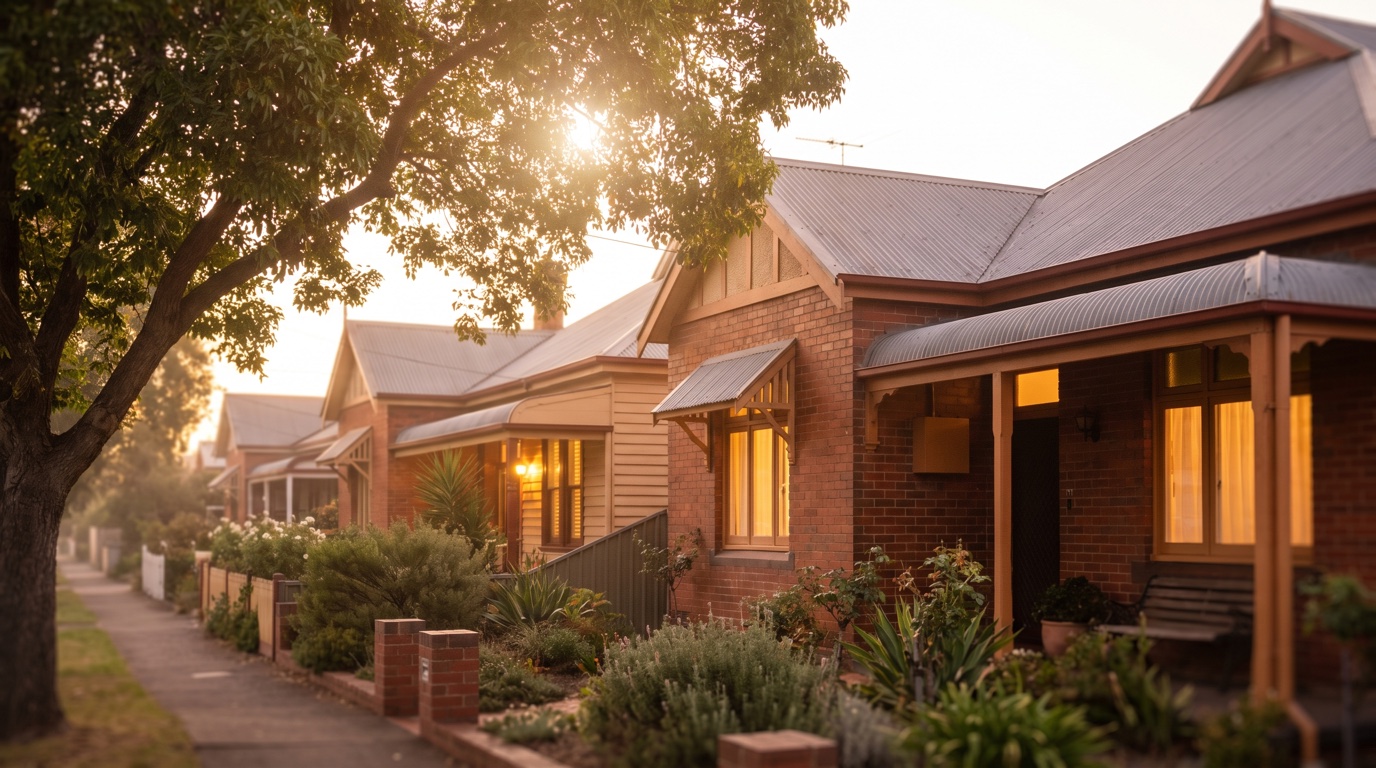
Advertised rents across Australia are pushing back toward record territory, with national asking rents now sitting about 7.8% higher than a year ago. The pace of monthly gains has been steady rather than dramatic, running at roughly 0.4% to 0.6% in recent months, but the cumulative effect is a rental market that keeps getting more expensive for tenants and tighter for everyone trying to find a place.
This is a story about rent prices, not just empty homes. While the vacancy picture remains exceptionally tight, the headline now is cost. One widely cited measure puts annual national rent growth at around 5.9%, the largest annual increase since about September 2024. Domain has forecast that rents will reach record highs in every capital city across 2026. For renters, that means continued budget pressure. For investors and would-be buyers, it reshapes the maths in ways worth understanding now.
What the numbers are showing
The direction of travel is clear. National advertised rents are up roughly 7.8% over the year, and the monthly gains, while modest at 0.4% to 0.6%, have not stalled. Melbourne has been a standout recently, with asking rents rising about 0.7% in the month to the end of May, more than double the national average for that month.
Underpinning all of this is a chronically tight supply of rentals. The national residential vacancy rate held at 1.2% in May 2026, and every capital city is sitting below 2%, which is very tight by any historical standard. A balanced rental market is usually considered to be around 3%, so today's conditions leave tenants with little room to negotiate and few alternatives if a lease ends.
Why rents keep climbing
Three forces are driving the squeeze. First, vacancy is very low, so demand for each available property is intense. Second, rental demand remains strong across the capital cities. Third, and perhaps most importantly for the years ahead, new supply is limited. This ties directly to the recent slump in building approvals and completions. Fewer homes being approved and finished today means fewer rentals reaching the market tomorrow, which keeps upward pressure on rents even when wages and household budgets are stretched.
That supply story matters because it is slow to reverse. Even if approvals recover, it takes years for new dwellings to be built, tenanted and absorbed into the market. In the meantime, the gap between the number of people needing homes and the number of homes available continues to favour higher rents.
What it means for renters
If you are renting, the most useful thing you can do is understand your position before your next lease decision. Knowing your rights helps you respond calmly to rent increases and renewals rather than feeling pressured. Our guide to renters' rights in NSW is a good starting point for tenants in that state, and the principles around notice periods, rent increases and bond are worth knowing wherever you live.
Lease timing also matters. Negotiating or renewing during quieter periods, and giving yourself plenty of runway before a lease ends, can reduce the risk of being caught in a competitive scramble. And with rents rising this fast, the rent-versus-buy question is becoming more relevant for many households. If your rent keeps climbing while you save, it is worth running the numbers on what you could borrow. A quick check with our borrowing power calculator can show whether buying is closer than you think.
What it means for investors
For property investors, tight conditions are a double-edged sword. Very low vacancy and rising rents support both income and yields, which is encouraging on paper. You can sense-check the income side of a potential purchase using our rental yield calculator, and compare how different areas stack up by browsing suburb data.
The other side of the ledger needs equal attention. Higher mortgage rates and holding costs can erode the benefit of stronger rents, so it pays to model the full picture rather than the gross yield alone. Ongoing costs such as property management fees add up, and the tax treatment of any shortfall matters too. Our explainer on negative gearing in Australia walks through how losses can be treated, while a rentvesting approach may suit those who want to invest where the numbers work while renting where they want to live.
What it means for first home buyers
Fast-rising rents change the calculation for first home buyers in two ways. They make saving a deposit harder, because more of each pay packet goes to a landlord. But they also strengthen the case for buying, because the cost of staying a renter is climbing rather than holding steady. When rent is forecast to hit record highs across every capital city, the comparison between paying off your own mortgage and paying someone else's becomes more pointed.
The right answer depends entirely on your numbers, your timeline and where you want to live. Working through the steps methodically helps, and our first home buyer guide covers deposits, costs and the buying process in plain English so you can decide with clear eyes rather than in a rush.
What it means for you
- Renters: learn your rights and plan your lease timing early, because a 1.2% vacancy rate leaves little room to negotiate at the last minute.
- Renters weighing a move: with rents up about 7.8% over the year, it is worth checking your borrowing power to see whether buying is now within reach.
- Investors: tight vacancy supports rents and yields, but model higher mortgage rates and holding costs in full before committing.
- First home buyers: record-high rents shift the rent-versus-buy maths, so run your own deposit and repayment numbers rather than relying on rules of thumb.
- Everyone: limited new supply, tied to weak building approvals and completions, suggests these tight conditions will not ease quickly.
Take the full guide with you.
The complete guide to selling property in Australia: what it really costs, how agents price your home, the 10 questions that catch bad agents out, and a 12-week plan to settlement. Free PDF, personalised to your suburb, in your inbox in 60 seconds.
Read next