NSW bets on prefab and modular homes to build faster
New South Wales is rewriting its building rules to recognise prefab and modular homes in law, aiming to lift housing completions and deliver faster, potentially cheaper new homes. Here is what the changes mean for buyers and builders.

23 June 2026 7 min read
The New South Wales Government is moving to speed up how homes get built, and at the centre of the plan is a type of construction that has long sat in a legal grey zone. Under the Building (Approvals and Practitioners) Bill 2026, introduced to NSW Parliament in May 2026, prefabricated and modular buildings would be formally recognised in law for the first time. The Bill also folds what the sector calls Modern Methods of Construction, or MMC, into the standard approvals system.
It is a quietly significant shift. For years, factory-built homes have been treated as an exception rather than a normal way to deliver housing. By writing prefab and modular into the rule book, the state is signalling that these methods are meant to be part of mainstream home building, not a niche workaround. For anyone weighing up a new home, a house-and-land package, or building from scratch, it is worth understanding what is changing and why.
What "prefab" and "modular" actually mean
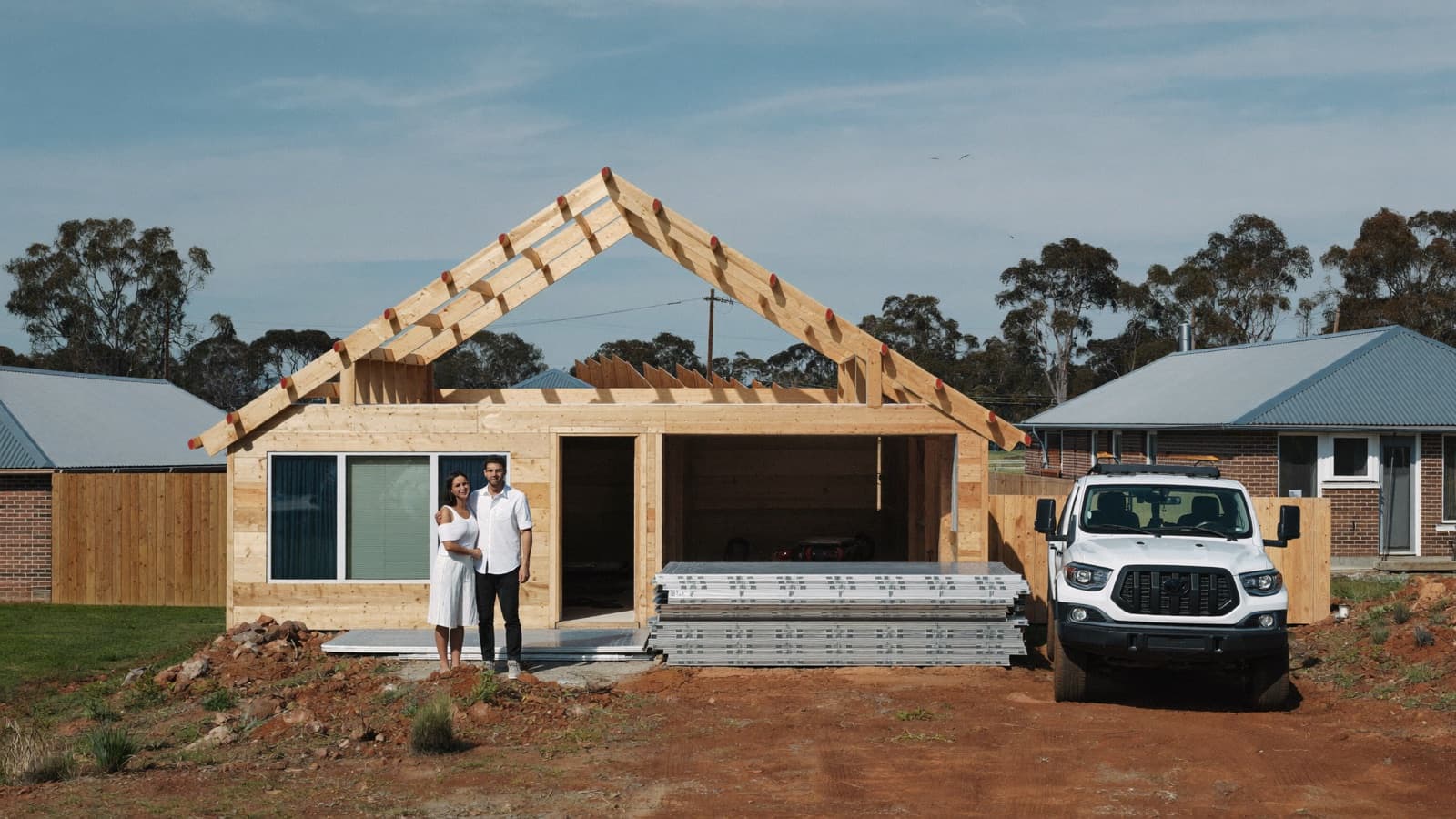
The language can sound technical, so here is the plain version. Prefabricated construction means parts of a building are made in a factory and then transported to the site, rather than being built piece by piece out in the open. That can be anything from pre-made wall panels and roof trusses through to bathroom pods that arrive fully fitted.
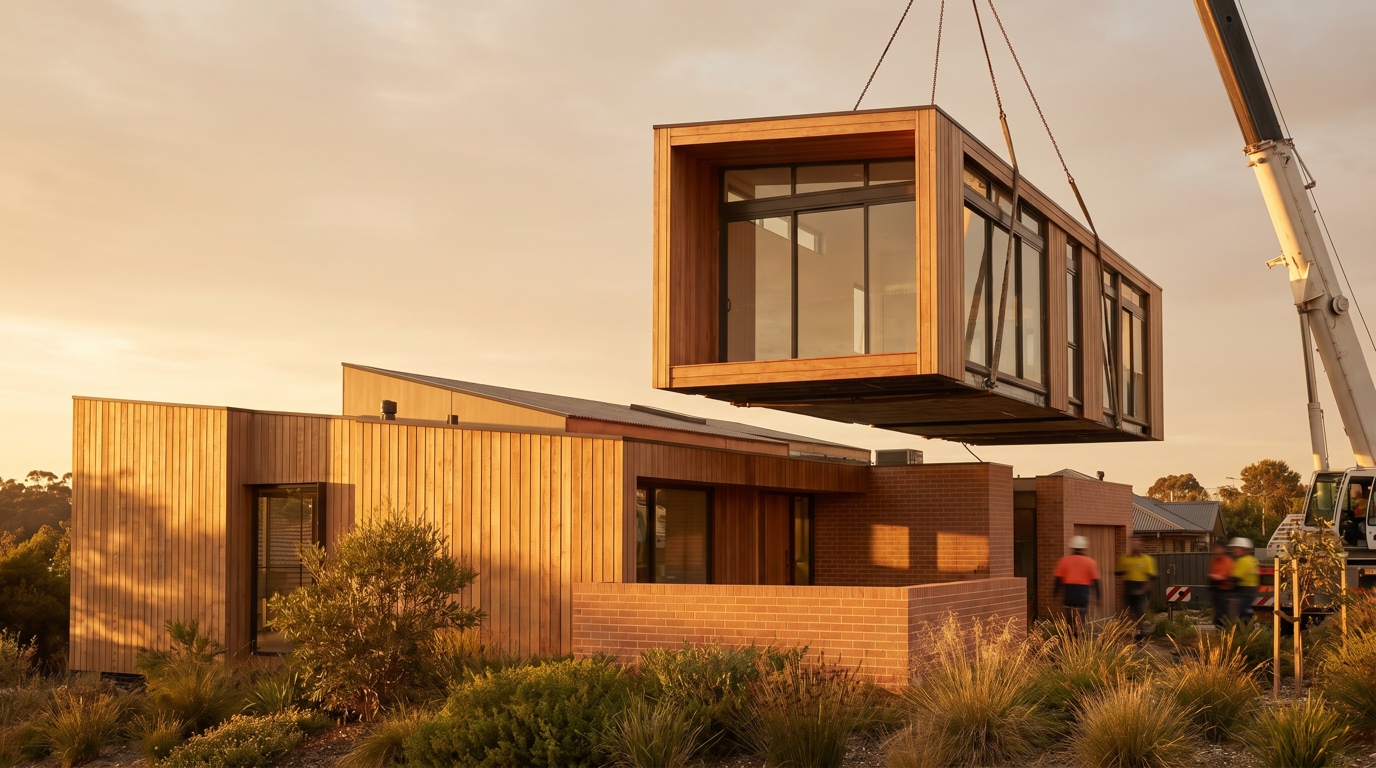
Modular construction takes this further. Whole sections of a home, called modules, are built in a controlled factory setting, complete with wiring, plumbing and finishes, then craned into place and joined together on site. Because the factory work and the site preparation can happen at the same time, the overall timeline can shrink. Modern Methods of Construction is the umbrella term covering these factory-based and digital approaches, as opposed to traditional construction where almost everything is done on site.
The case for going faster
The reason governments are paying attention comes down to numbers. The Commonwealth Productivity Commission estimates that MMC, meaning modular and prefab approaches, can cut overall build costs by up to 20 per cent and be up to 50 per cent faster than traditional construction. Those are upper-end figures rather than guarantees, but they explain the interest. Faster builds and lower costs are exactly what is needed when housing completions have been lagging the national targets.
The 2026-27 NSW Budget, handed down on 23 June 2026, puts money behind the idea. It backs the reforms with planning changes, support for prefabrication, and a concentrated infrastructure spend in Western Sydney. That includes investment in a facility for prefab, modular and digital construction, signalling that the state wants the capacity to actually produce these homes at scale, not just permit them.
More than just speed: quality and confidence
Speed is only half the story. The same Bill tightens the rules around the people who sign off on building work. It introduces stronger penalties for certifiers, clarifies conflict-of-interest rules so it is clearer when a certifier should step back, and improves dispute resolution for people living in occupied apartment buildings.
These quality measures matter because confidence in new builds has taken knocks in recent years, particularly around apartments. If buyers are going to trust new homes, including ones built using newer methods, the people checking the work need to be independent and accountable. The certifier reforms are aimed squarely at lifting that confidence. If you are buying off the plan or considering a newly built home, it is still sensible to do your own due diligence, including a building and pest inspection where it applies, and to understand the process of buying property in Australia before you commit.
What this could mean for new homes
None of this changes the market overnight. Bills take time to pass and take effect, and factories take time to ramp up. But the direction is clear. Over time, recognising prefab and modular in law, combined with streamlined approvals and dedicated manufacturing capacity, is designed to lift the number of homes completed each year.
For first home buyers in particular, that is the part to watch. More homes finished, sooner, can ease some of the pressure that has made getting in so hard. If you are at the start of that journey, the first home buyer guide for NSW and the broader first home buyer guide are useful starting points. If you are leaning towards building, our overview of house-and-land options and the guide on how to find a builder in Australia can help you weigh up your choices and ask the right questions.
What it means for you
- Prefab and modular are going mainstream. NSW is recognising factory-built homes in law for the first time, so expect them to appear more often among new-build and house-and-land options over time.
- Faster, potentially cheaper homes are the goal. The Productivity Commission estimates these methods can be up to 50 per cent faster and cut overall build costs by up to 20 per cent, though real-world results will vary.
- Quality safeguards are part of the package. Tougher certifier penalties, clearer conflict-of-interest rules and better apartment dispute resolution are designed to lift confidence in new builds.
- Western Sydney is a focus. The 2026-27 Budget includes investment in a facility for prefab, modular and digital construction, so supply may grow fastest in that region. It can be worth researching specific suburbs if you are considering a new home there.
- Do your homework regardless of method. Whether a home is built traditionally or in a factory, the usual checks still apply. Compare builders, understand the contract, and budget realistically, including for any later renovation costs.
Take the full guide with you.
The complete guide to selling property in Australia: what it really costs, how agents price your home, the 10 questions that catch bad agents out, and a 12-week plan to settlement. Free PDF, personalised to your suburb, in your inbox in 60 seconds.
Read next